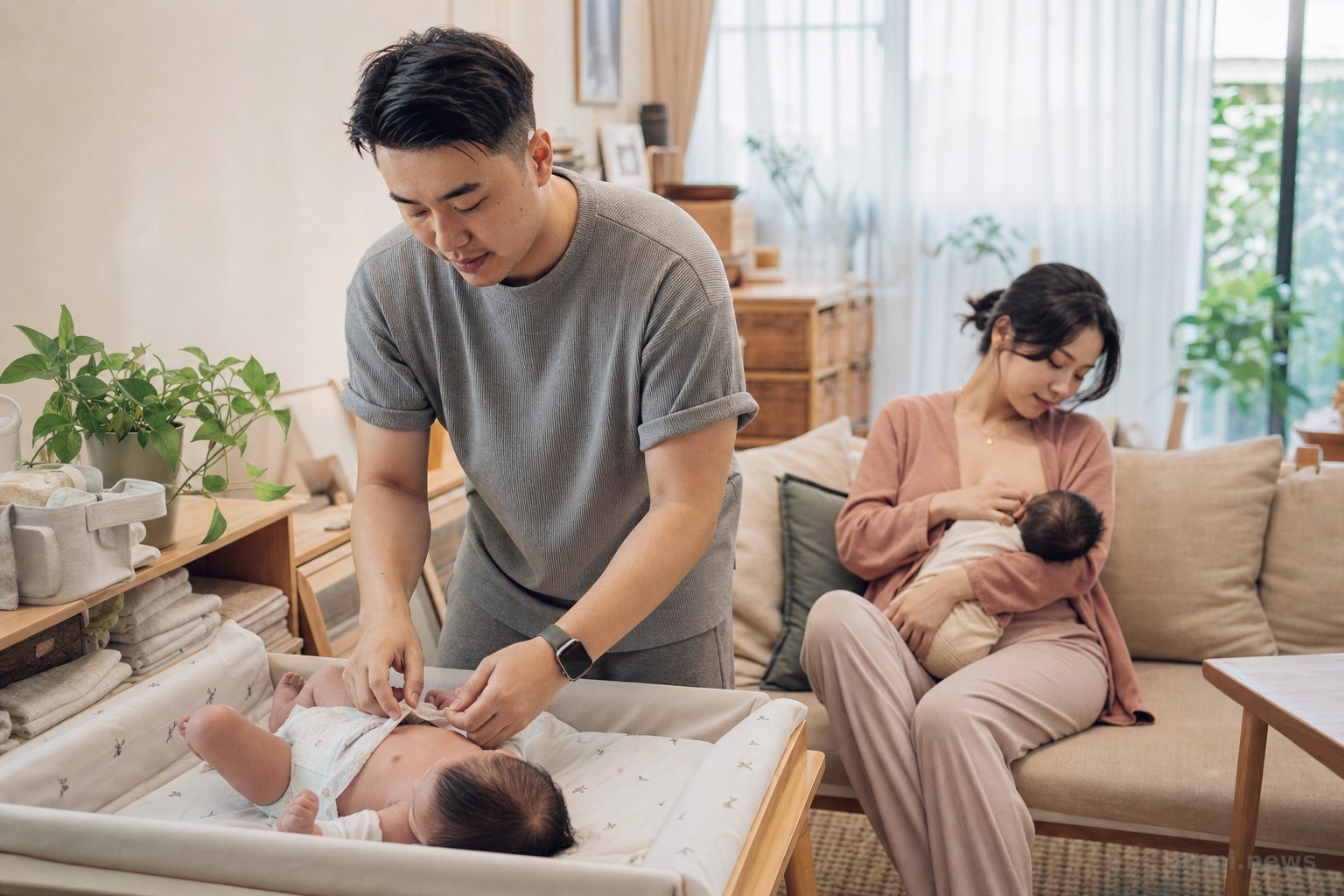
產後這段時間,身體正在恢復,睡眠被切割成兩三個小時一段,情緒本來就比平時脆弱。2024 年一份發表於《Frontiers in Public Health》的研究追蹤了一群產後女性,發現第一週感受到強烈哺乳壓力的人,四週後回報的焦慮症狀與壓力程度明顯更高,部分人甚至出現與生產創傷相關的症狀。這份壓力的來源不只一種:有來自醫療人員的持續叮嚀,有來自媒體塑造的「母乳最好」形象,也有來自家中長輩習慣性的關心式提問。研究團隊也記錄到,許多母親形容自己經歷的是罪惡感與羞恥感交織的情緒,而不是單純的疲憊。
Ogbo FA, et al. (2020). Breastfeeding in the Community—How Can Partners/Fathers Help? A Systematic Review. International Journal of Environmental Research and Public Health, 17(2), 413. https://pmc.ncbi.nlm.nih.gov/articles/PMC7014137/
Grattan RE, London SM, Bueno GE, et al. (2024). Perceived pressure to breastfeed negatively impacts postpartum mental health outcomes over time. Frontiers in Public Health. https://pmc.ncbi.nlm.nih.gov/articles/PMC11024305/
Kang HJ, Nam ES, Lee Y, Kim M. (2019). How Strong is the Evidence for the Anxiolytic Efficacy of Lavender?: Systematic Review and Meta-analysis of Randomized Controlled Trials. Asian Nursing Research, 13(5), 295–305. https://pubmed.ncbi.nlm.nih.gov/31743795/
Wong JY, et al. (2025; Epub 2024 Nov 4). Non-pharmaceutical interventions to reduce influenza transmission in households: a systematic review and meta-analysis. International Journal of Infectious Diseases, 150, 107291. https://pubmed.ncbi.nlm.nih.gov/39505255/

/issue-499/images/2.png)
/issue-499/images/3.png)
/issue-499/images/4.jpg)